



27 Aug Thessaloniki – an exciting walk through and over history
Do you know what Via Egnatia is?
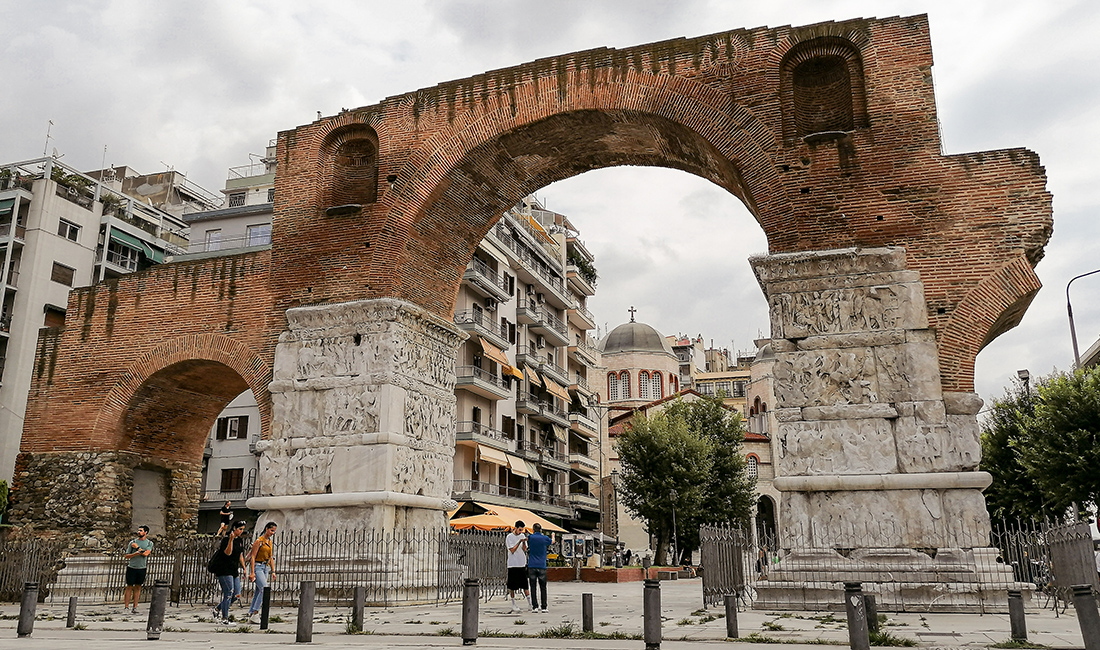
This old Roman road, built in the 2nd century BC by order of the Roman proconsul Egnatius, connected the provinces of Illyricum, Thrace and Macedonia with Constantinople, that is – the Adriatic Sea with the eastern Aegean. Today, almost 2,200 years later, this road still exists, and the key street in the second largest Greek city, Thessaloniki, the capital of Macedonia, is called exactly that – Egnatia. In it today you can see a wide variety of shops, artisans and restaurants, and under the asphalt you can see the impressive remains of the Hellenic and Roman civilizations, which you can take a look at while waiting for the green light to turn on at the pedestrian crossing. 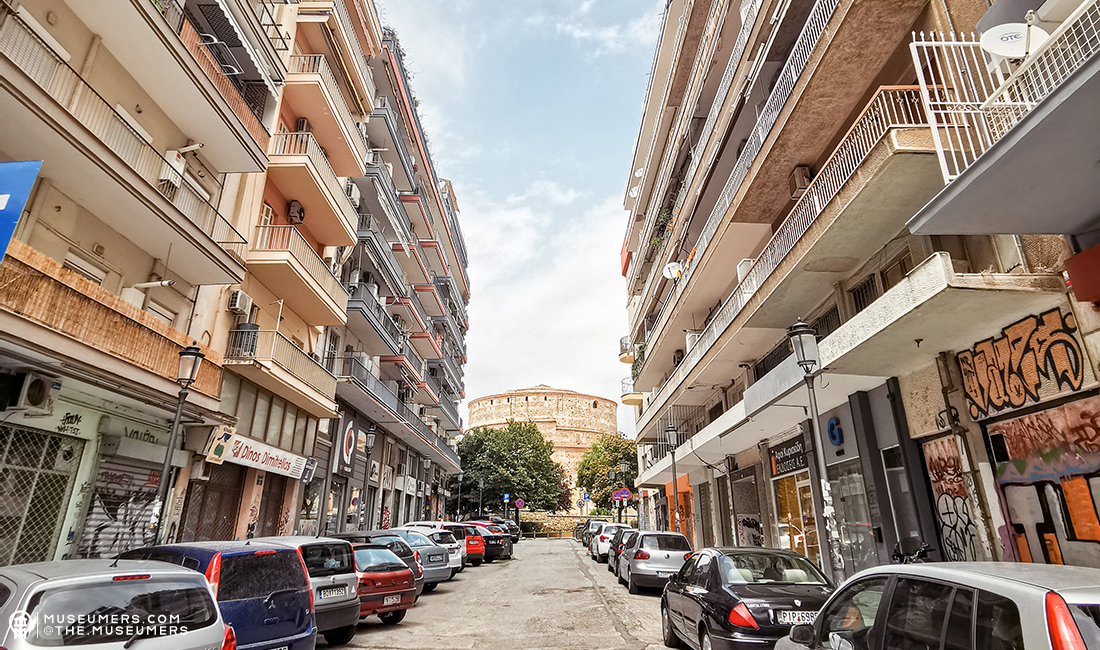 Above the asphalt, on Egnatia, you will see the famous Galerius triumphal arch, i.e. its remains, as well as the famous Rotunda. Both of them date from the 4th century AD and were built by Emperor Galerius – Triumphal arch in honor of the great victory over the Persians, while the Rotunda was built to be his mausoleum, and today it is used as an Orthodox church (and also as a mosque during Ottoman occupation). Both buildings are perfectly integrated into the neighborhood and it is a pleasure to walk under the Arch, which is decorated with precise details of the battle with the Persians, as well as through the Rotunda, which is characterized by a wonderful peace. The road through Egnatia leads you to the museum quarter, the main feature of which is the Archaeological Museum of Thessaloniki, a beautiful building that houses the priceless treasures of Western civilization.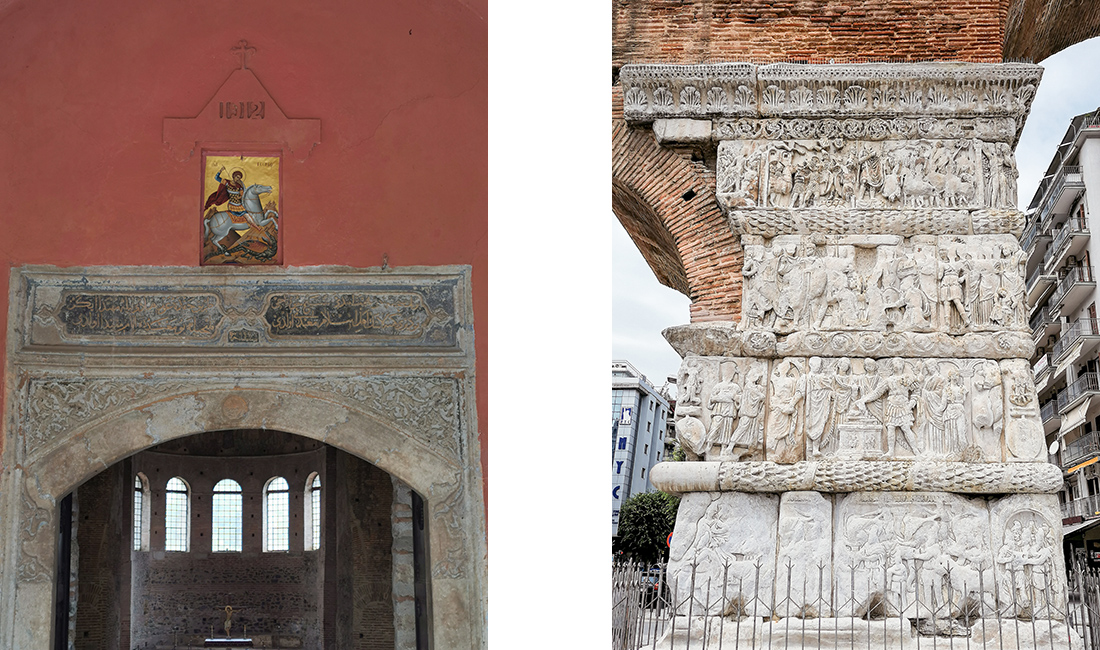
Key info & Museum history
1962 was an important year for Greek culture, and especially for Thessaloniki. That year marked the celebration of the 50th anniversary of the liberation of the largest city in Macedonia, and the Archaeological Museum of Thessaloniki was opened with a grandiose celebration for that occasion. Amazingly, the Derveni tomb was also discovered in the same year, the impressive finds of which are presented in the newly opened museum. Important findings from the Royal Tombs of Vergina were later transferred to the Museum, and in 1985, on the occasion of the celebration of the 2300th anniversary of the founding of the city of Thessaloniki, the first major exhibition dedicated to the city’s history and archeology was organized. The museum was gradually expanded, and in 2006 it was renovated and the exhibits were redesigned to be adapted to modern lovers of museums, archeology and Greek, Roman and Macedonian culture. 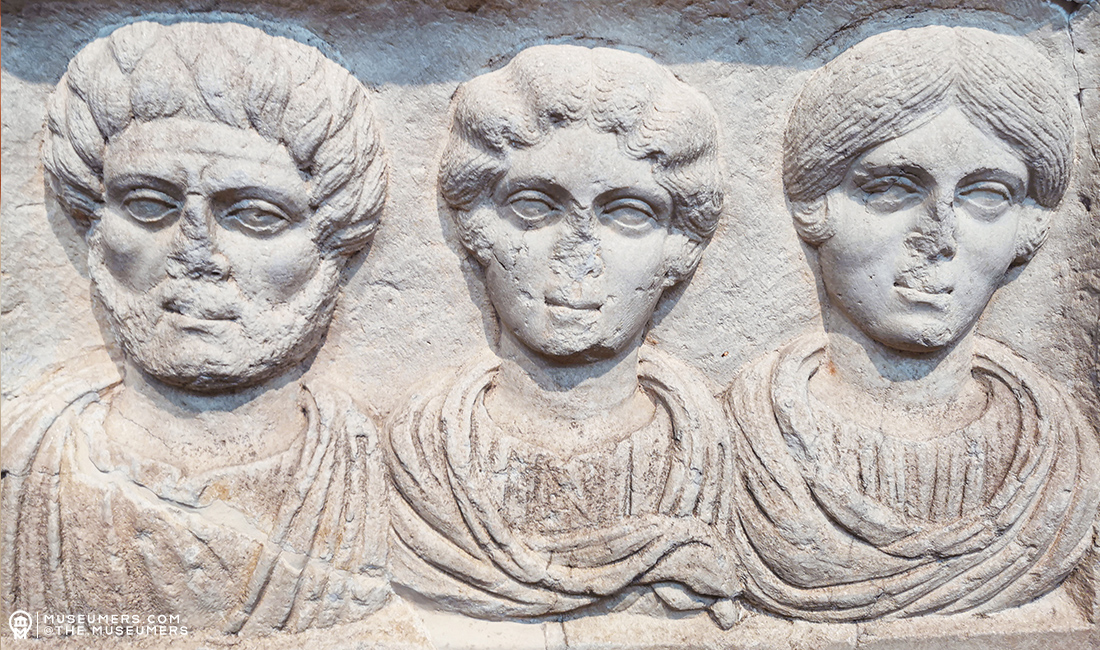
Numbers & facts
The museum is very user-friendly in every sense: It is open from 8 a.m. to 8 p.m. during the summer, while in the winter it is open until 4 p.m. The ticket for adults costs €8, and for €15 you can buy a package that includes a visit to the Rotunda, the White Tower and the Museum of Byzantine Culture, which we sincerely recommend. 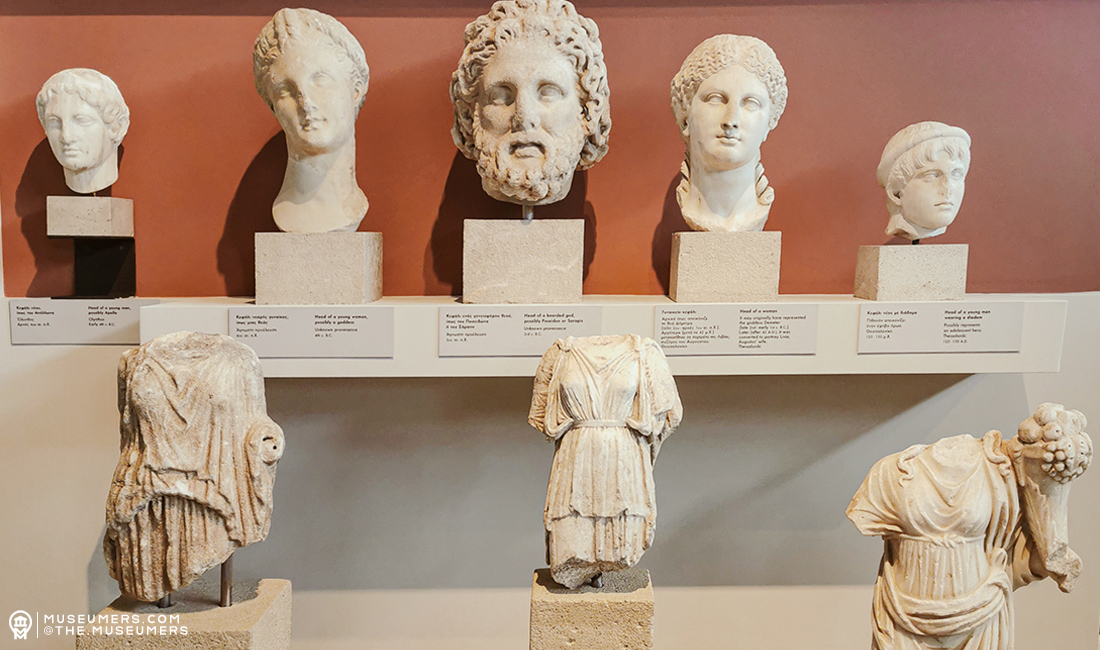
Trivia
On February 26, 2010, Greek authorities arrested two men found in illegal possession of various antiquities, including a bronze statue of Alexander, which is possibly a work of Lysippos. If confirmed, this would make it the first original work of Lysippos ever discovered. The statue is currently being examined at the laboratory of the museum, which is expected to confirm or deny its authenticity. 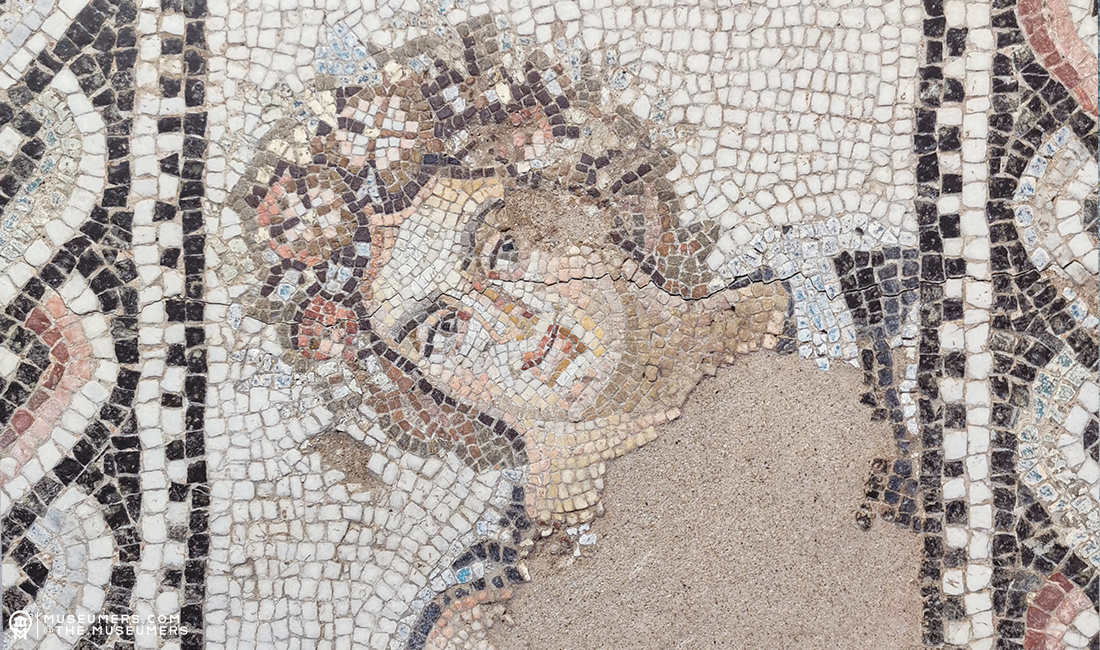
Not to miss
A walk through the Museum will make you feel like you are in the famous Disney cartoon Hercules – there are so many important artifacts, it is difficult to single out any particular piece of history. However, do not miss the Derveni Crater from the 4th century BC (bronze vase weighing 40 kg found in the Derveni Cave), which shines with an incredible golden glow even though it does not contain a single milliliter of gold. It was most likely made in Athens, and the inscription on it says: “Astiouneios, son of Anaxagoras, from Larissa”. Does it sound to you that Tolkien was also somewhat inspired by this inscription? Equally important exhibits are the statue of Harpocrates (2nd century AD), the head of Serapis (2nd century BC), the Marble Door (Tomb of Agia Paraskevi in Macedonia), gold medals from the 3rd century BC and many others. 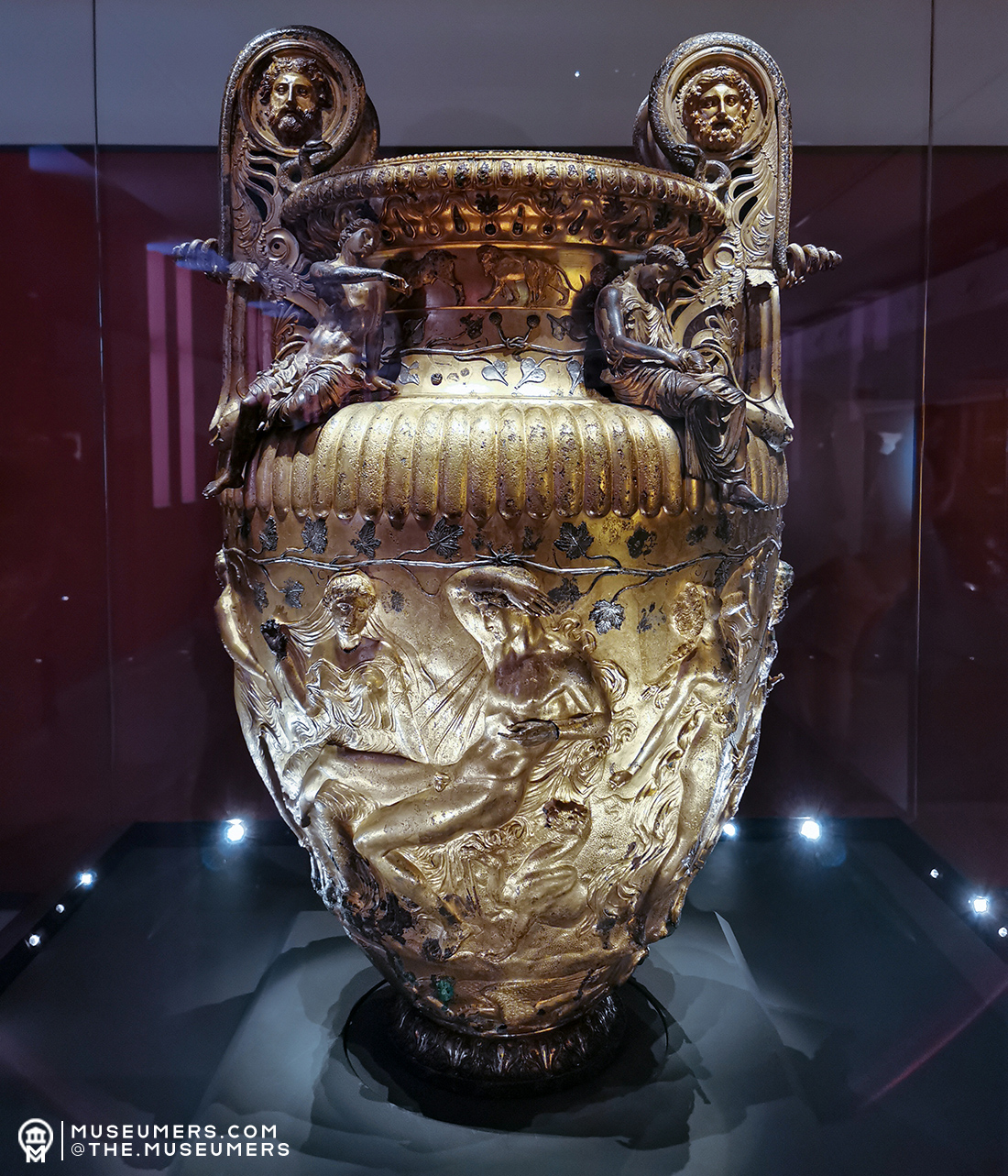
Best photo spot
Take a photo among the many very well-preserved sculptures and make a multi-millennial crew. Your followers will be delighted! 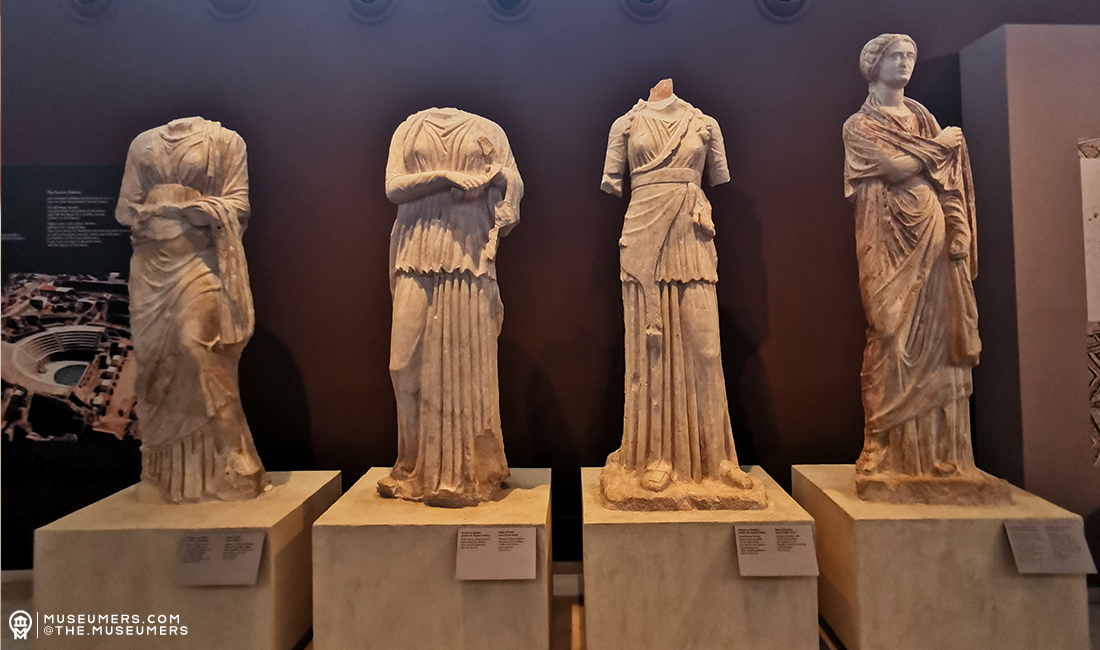
Souvenir shop
The museum shop is not particularly well equipped and we see a chance for improvement there. Nevertheless, the city is full of quality souvenirs, so that in addition to numerous memories, you will take with you some nice little things from Thessaloniki.
Our final impression
The Archaeological Museum of Thessaloniki is an amazing place that offers you an exciting, informative and very interesting experience without the big crowds. The museum is fully worthy of such an important city for the history of Western civilization and will be equally interesting for children, who will be able to see prehistoric artifacts up close, as well as for history and archeology enthusiasts, who will spend hours walking through this pearl of Macedonia and Greece. It is truly amazing to see up close a treasure that could have been irretrievably lost in one place, so carefully assembled and preserved. 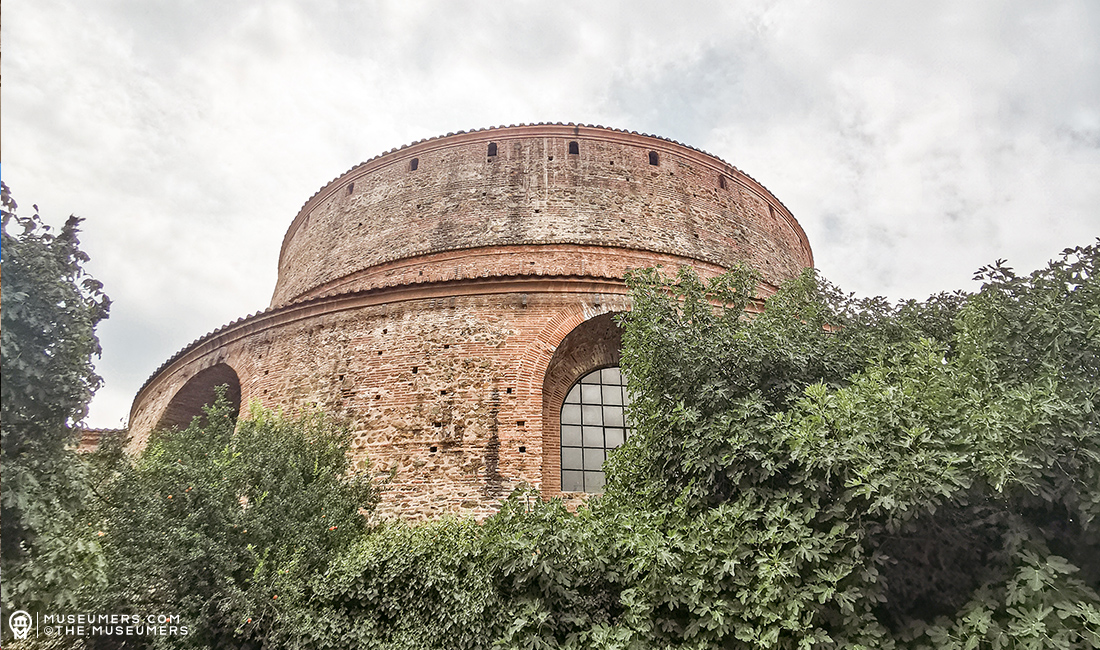
After the visit
Walk to the White Tower, and then take the path by the sea back to Aristotle’s Square – you’ll enjoy walking past the brilliant modern sculptures. Drink a Greek coffee or a cocktail in one of the cafes by the sea, or grab dinner in one of the tavernas. We recommend Rouga, where the perfect moussaka is prepared. Archeological Museum of Thessaloniki – Official Website
No Comments